Top 5 Design Books I recommend

There are hundreds of design books. Most teach tools, trends, or surface-level tactics. The ones that actually change you reshape how you think about users, systems, and decisions.
Here are the five I keep recommending — and why.
1. Don't Make Me Think — Steve Krug
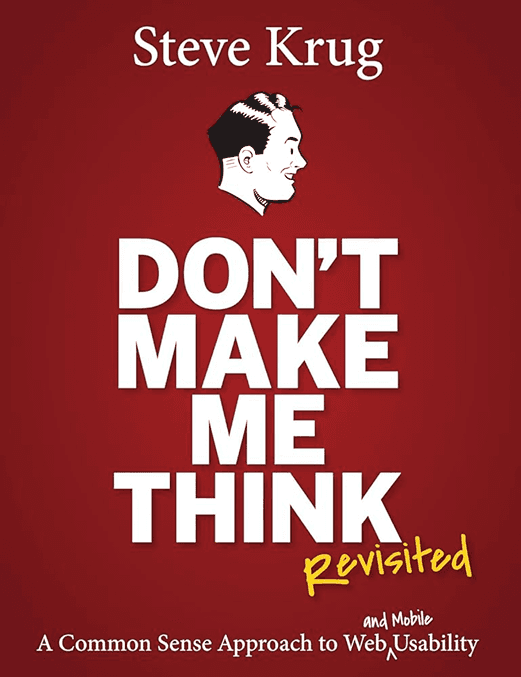
The simplest, most actionable book on usability ever written. Krug's argument: if a user has to stop and think, the design has already failed. After reading it, you start noticing friction everywhere — in apps, websites, even everyday objects. It rewires your eye permanently.
If users have to think too much, the design has already failed.
2. The Design of Everyday Things — Don Norman
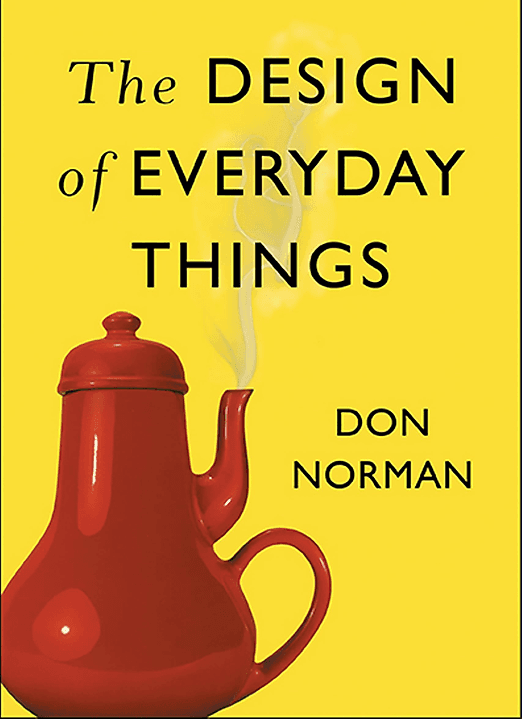
This book gave designers a vocabulary: affordance, feedback, mental models. Its core insight is radical — bad design is not user failure, it's system failure. When something feels confusing, the design is wrong, not the person using it. Foundational reading, no exceptions.
When something feels confusing, the design is wrong — not the user.
3. Hooked — Nir Eyal
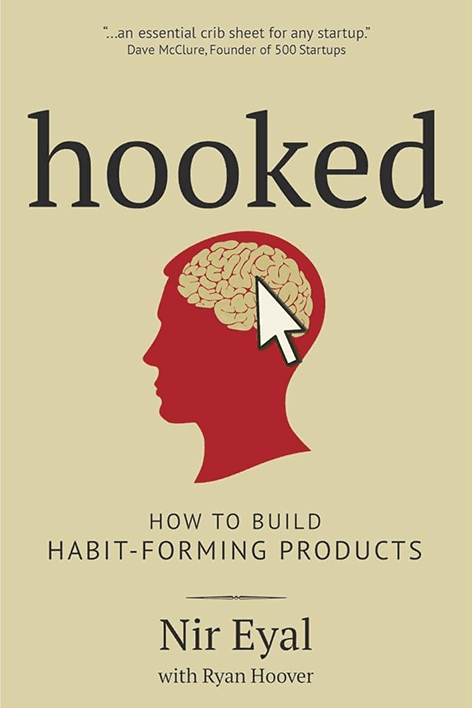
Read this critically, not uncritically. Eyal's Hook Model explains exactly how habit-forming products are built — triggers, variable rewards, investment loops. Understanding the psychology behind engagement makes you a sharper product designer. Whether you agree with the ethics or not, it sharpens your product awareness.
Understand behaviour before you design engagement.
4. Sprint — Jake Knapp
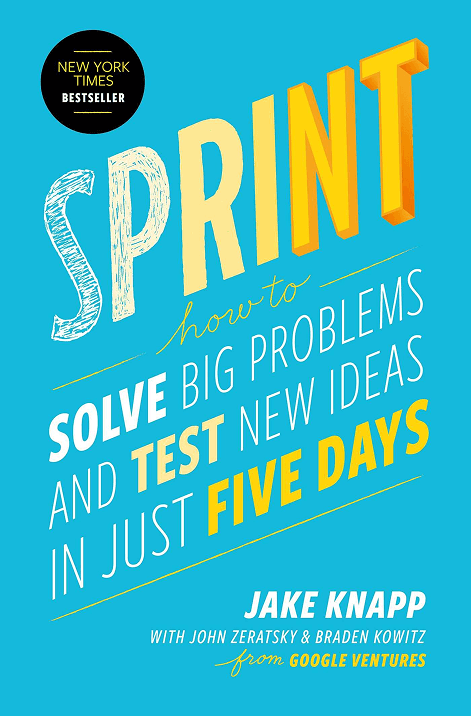
The most practical book on this list. Knapp's five-day Design Sprint lets you prototype and test a major product direction with real users before writing a single line of production code. It reduces the cost of being wrong dramatically. If you've ever sat in endless opinion-based meetings, this is the antidote.
Test direction early — before building the wrong thing.
5. Thinking, Fast and Slow — Daniel Kahneman
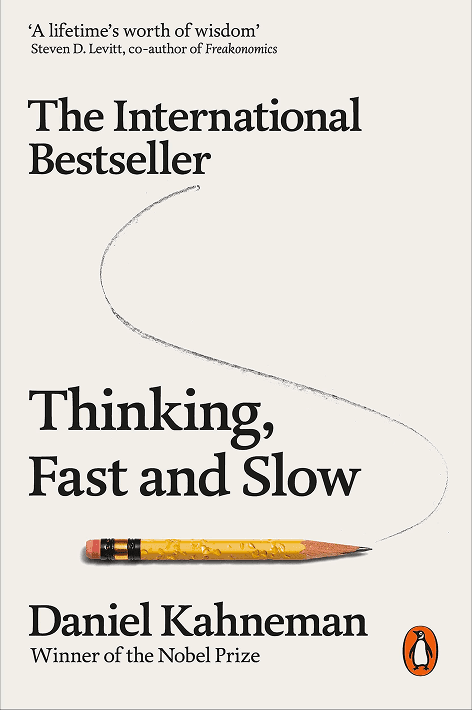
Not technically a design book. But arguably the most important one here. Kahneman's two-system framework — fast intuitive thinking vs slow deliberate thinking — explains why users behave the way they do. Once you understand cognitive bias, you see it everywhere: in onboarding flows, pricing pages, notification copy. Your UX improves almost immediately.
Design for how people think — not how they should think.
The books that make you better at execution are everywhere. The books that make you better at thinking are rarer. These five are the latter.
Tools teach execution. Books teach perspective.